 Efficient management of dry bulk materials is essential across various industries, including construction, oil and gas, mining, and agriculture. Storage pig trailers, also known as cement pigs, horizontal silos, or guppy trailers, provide a versatile, high-capacity solution for on-site storage and controlled dispensing of
dry bulk materials such as cement, fly ash, lime, drilling additives, and more. These portable horizontal silo systems are specifically designed to safely store and dispense dry bulk materials directly at job sites, providing a reliable, contamination-free supply while protecting the raw material from moisture, dust, and environmental exposure. Unlike traditional stationary silos, storage pig trailers offer the flexibility to move with your project needs—without the cost or commitment of permanent infrastructure.
For professionals and executives responsible for bulk material logistics, understanding the design, function, and strategic benefits of storage pig trailers can drive better material handling, reduced waste, and cost savings. This article covers everything you need to know about storage pig trailers, from their design and function to their strategic advantages they bring to the job site.
In this article
What Is a Storage Pig Trailer?
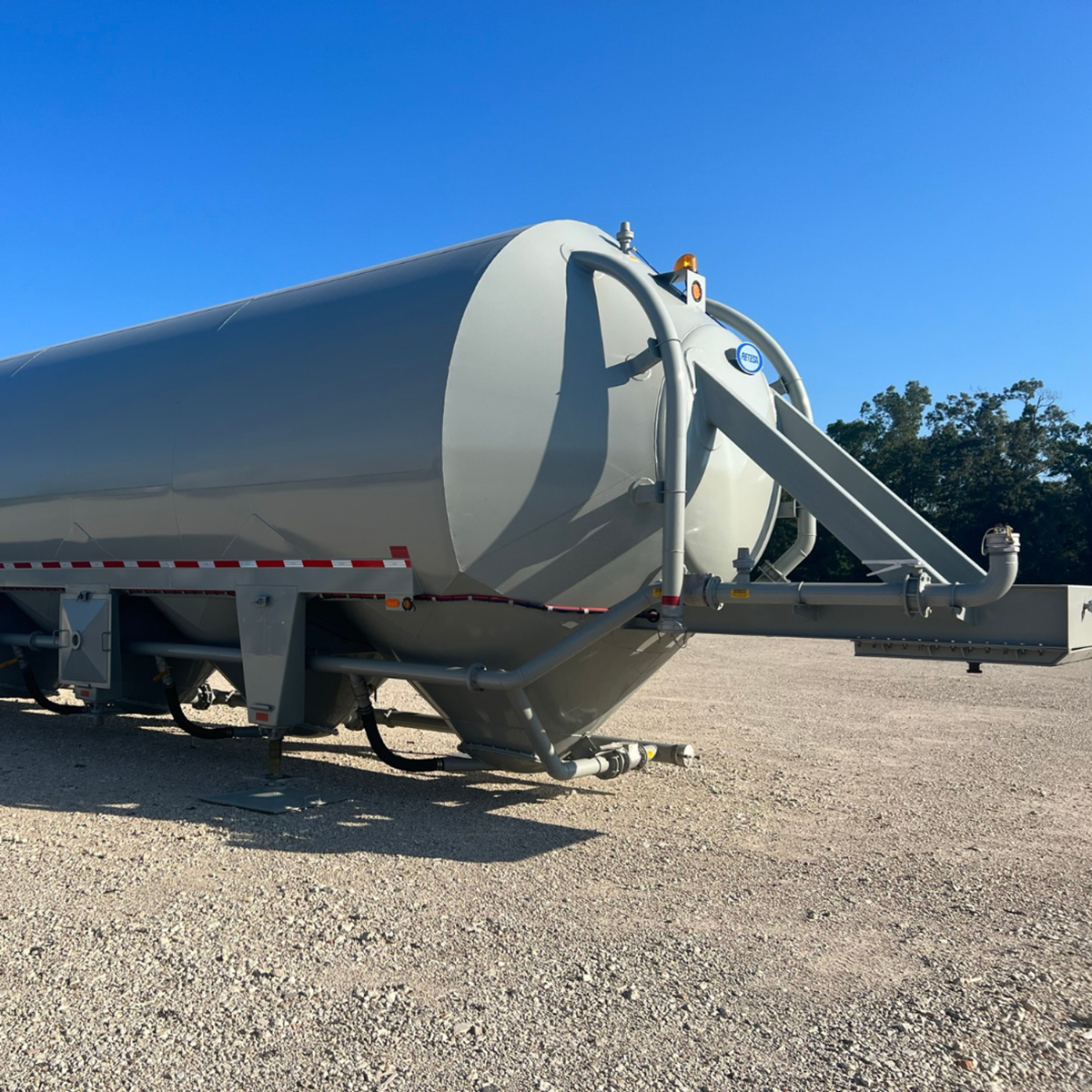
Storage pig trailers, often simply called storage pigs, are large, horizontal silo tank trailers designed for high-volume, on-site storage and controlled dispensing of dry bulk materials such as cement, fly ash, sand, and lime. Unlike trailers meant for long-distance transportation, storage pigs function as temporary, movable silos placed directly at job sites. Their horizontal design allows for stable storage, easy access, and efficient material flow.
Most storage pig trailers come equipped with a diesel or electric motor and a blower system, to allow quick, dust-free loading and unloading.
Key Features of a Storage Pig Trailer

High-Capacity Storage
Storage pig trailers are built to hold large volumes of dry bulk materials, minimizing the need
for multiple smaller silos or frequent refills. Standard capacities are around 4,000 cu ft
(≈450 tons), with options for higher volumes or specialized coatings.

Smooth Discharge
Built-in pneumatic systems (diesel or electric blowers) and multiple valve controls deliver
precise, dust-controlled unloading into mixers, silos, or processing units.

Moisture & Contamination Protection
Airtight seals and filtration systems keep stored materials dry and clean, while vents
minimize dust emissions—ensuring compliance with environmental and safety standards.

Portable Yet Stationary Use
Rugged chassis and air-ride suspensions let you set these trailers in place as temporary silos
and relocate them easily between job sites—no permanent infrastructure required.
Main Components and Structure
Storage pig trailers typically consist of the following essential components:
- Tank/Silo Body: Durable cylindrical structure usually built from carbon steel, offering secure storage.
- Pneumatic Loading and Unloading Systems: Compressed air systems facilitating quick, efficient transfer of materials.
- Pressure and Vacuum Systems:Ensure consistent internal pressure and smooth material flow.
- Valves, Gauges, and Controls: Allow precise monitoring and control during filling and discharge.
- Dust Suppression and Air Filtration Equipment: Maintain environmental compliance and minimize airborne particles.
- Chassis: Robust trailer base that ensures easy movement and long-term durability.
- Blower and Motor: Most storage pig trailers are fitted with a diesel or electric motor and a blower system, mounted on the front or near the trailer to allow fast, efficient, and dust-free loading and unloading of materials.
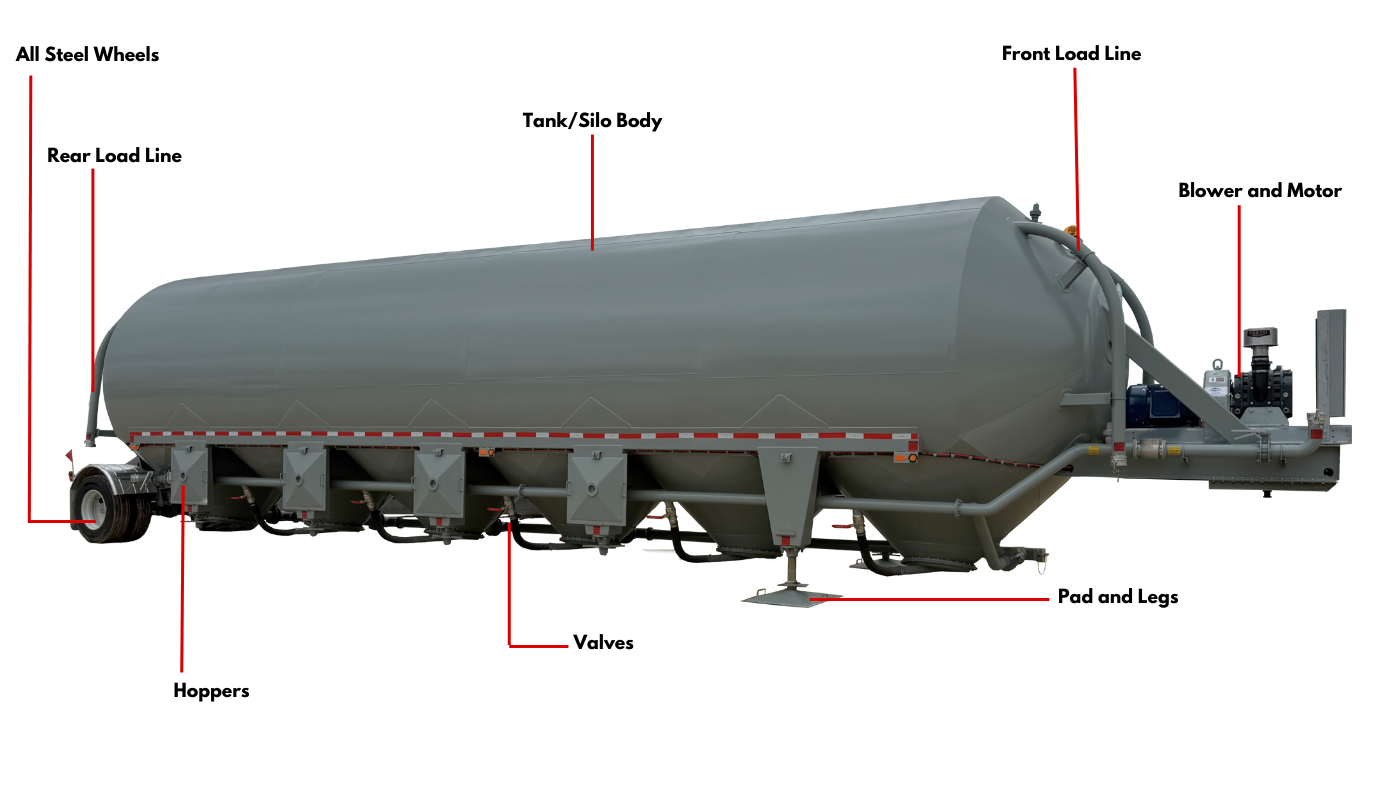 Anatomy of a Storage Pig Trailer
Why Is It Called a “Pig” Trailer?
Now that we’ve covered what storage pig trailers are and how they function, let’s take a quick look at where the name comes from. These horizontal portable silos go by several names depending on the industry, including storage pigs, guppies, horizontal silos, and sometimes even storage bins. Each name reflects either their shape, function, or usage, but they all refer to the same high-capacity, portable bulk storage solution.
The term “pig” trailer comes from its large, rounded shape, which resembles the body of a pig. This nickname has been widely adopted in the construction industry to refer to these high-capacity storage silos. Some also refer to them as “guppy trailers” due to their visual similarity to a guppy fish. These names help differentiate storage pig trailers from other bulk storage options while emphasizing their sturdy and practical design.
How Does a Storage Pig Trailer Work?
Storage pig trailers function as temporary storage units for bulk materials, ensuring a steady supply at job sites. Once placed on-site, they allow for controlled loading, storage, and dispensing of materials like cement, fly ash, lime, or drilling additives—right where they’re needed.
- Loading the Trailer:
Dry bulk materials are loaded into the storage pig pneumatically using a blower and a motor. - On-Site Storage:
The trailer’s horizontal tank keeps materials secured in a sealed, weather-resistant environment, preventing contamination and moisture ingress. - Unloading / Controlled Dispensing:
When it’s time to use the material, the blower (powered by a diesel or electric motor) pressurizes the tank and forces the material out through discharge lines, directing it into silos, hoppers, or machinery.
Key Benefits of Storage Pig Trailers

Maximized Project Uptime
Keep essential materials like cement or fly ash readily available on-site to avoid delays from delivery gaps or supply chain disruptions.

Lower Infrastructure & Transport Costs
Reduce reliance on permanent silos and frequent shipments, cutting capital expenses and recurring logistics costs.

Improved Material Integrity
Sealed, airtight design protects materials from moisture and contamination so they remain in optimal condition until use.

Safer, Cleaner Worksites
Built-in dust suppression and pressurized systems reduce airborne particles during loading/unloading and support compliance.

Scalable & Site-Ready
Mobile design makes relocation between job sites easy—ideal for temporary setups, seasonal operations, or large projects.
Common Applications of Storage Pig Trailers
Storage pig trailers are used across a range of industries that handle high volumes of dry bulk materials. Their ability to store and dispense materials on-site makes them a practical, scalable solution for both temporary and long-term operations.
- Construction: Widely used for storing cement, fly ash, lime, and sand on job sites. Ideal for infrastructure projects such as highways, bridges, tunnels, and large commercial builds where timely, uninterrupted access to material is critical.
- Concrete Production: Essential in ready-mix concrete plants to maintain a steady supply of dry cementitious materials. Their mobility allows plants to set up closer to job sites, improving turnaround times and consistency of the mix.
- Mining & Industrial Operations: Support mining operations by storing bulk lime, fly ash, or other mineral-based materials used in processing, refining, and waste management.
- Oil & Gas Industry: Used to store drilling mud additives (e.g., barite, bentonite) and proppants like frac sand. Storage pigs reduce downtime and improve efficiency in hydraulic fracturing and wellbore operations by keeping critical materials readily accessible.
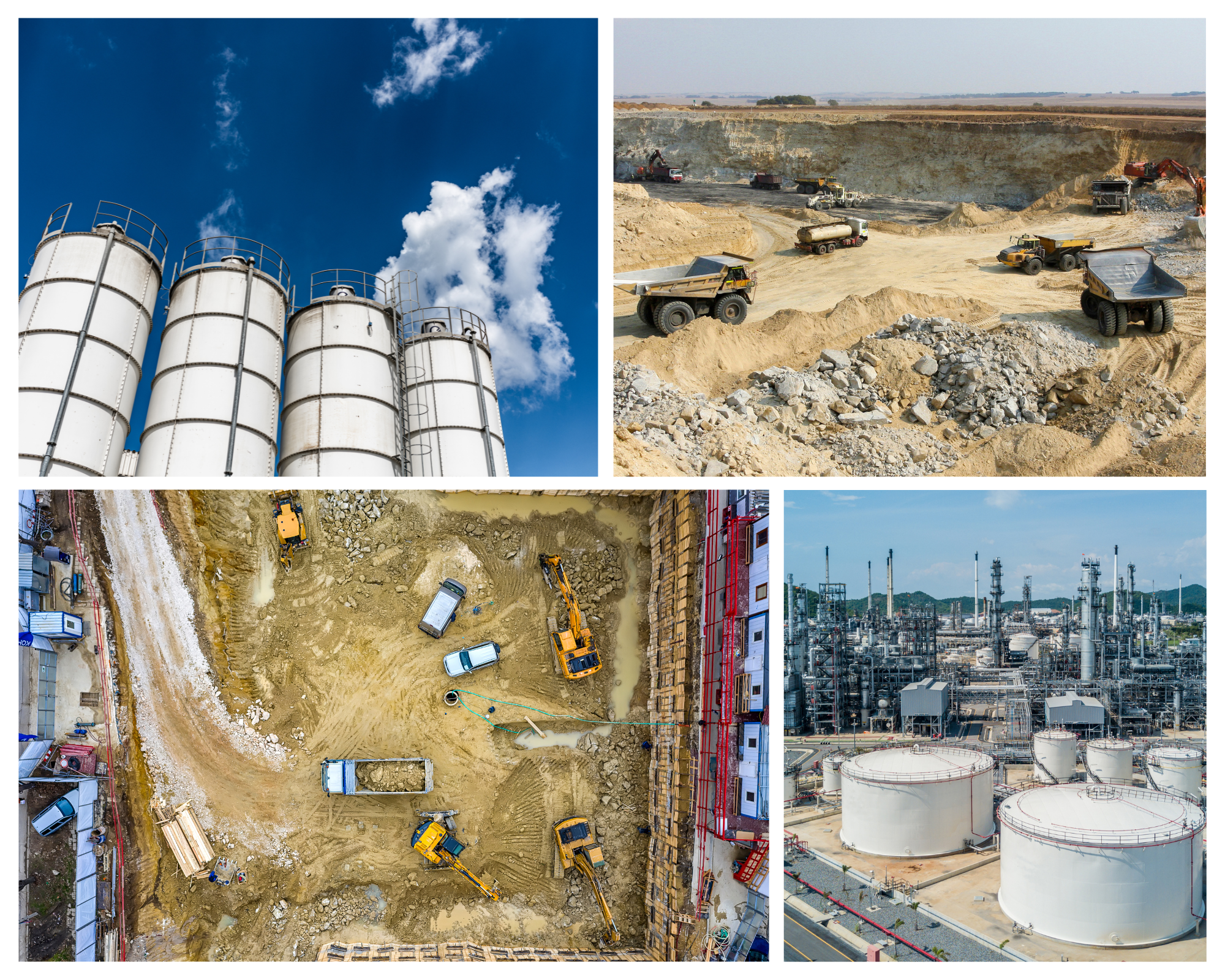 Used across a range of industries that handle high volumes of dry bulk materials, Storage Pig Trailers are a practical, scalable solution for both temporary and long-term operations.
Choosing the Right Storage Pig Trailer
Selecting the right storage pig trailer for your operation depends on your specific needs, site conditions, and the materials you’re handling.
Making the right choice can improve efficiency, reduce costs, and ensure compliance across your projects.
- Storage Capacity:
Consider the volume of material you need on-site. Standard storage pigs hold around 4,000 cu ft (450–500 tons) depending on configuration.
Larger capacities reduce refills but may require more space and heavier support equipment. - Material Compatibility:
Ensure the trailer is suited for your dry product—cement, frac sand, lime, or drilling additives.
Coated interiors or corrosion-resistant materials may be necessary for abrasive or moisture-sensitive loads. - Pneumatic Unloading Requirements:
Pneumatic systems (diesel or electric blowers) are ideal for fine powders and long transfer distances,
while gravity systems work well for free-flowing materials like sand when discharge points are directly below. - Job Site Space & Accessibility:
If you’ll relocate frequently, prioritize a durable chassis and axle setup designed for moves.
For stationary, long-term use, units optimized for minimal relocation are more cost-effective. - Power Availability:
On sites without three-phase power, a diesel-powered blower is required.
Electric systems suit power-ready locations and offer quieter, more efficient operation. - Compliance & Safety Features:
Verify the trailer meets OSHA, DOT, and environmental standards.
Dust suppression, sealed hatches, and pressure-relief valves help maintain safety and regulatory compliance. - Maintenance & Support:
Choose a manufacturer with robust service documentation and readily available parts.
Brands like Retesa are known for durable, field-tested equipment and long-term support.
Why Consider Storage Pig Trailers?
Storage pig trailers are designed to solve common challenges around material availability, site flexibility, and cost control,
making them a valuable asset in both temporary and long-term applications. If your operations rely on a consistent,
high-volume supply of dry bulk materials, a storage pig trailer may be a smart, scalable solution.
Is a Storage Pig Trailer Right for Your Operation?
| It’s for you if… | It’s not for you if… |
|---|---|
|
|
|
|
|
|
|
|
|
|
|
|
Frequently Asked Questions
What do I store in a storage pig?
Why choose a storage pig over having someone bring me product?
Where can I find used storage pigs?
Why choose Trailers of Texas for your storage pig needs?
As one of the first companies to offer storage pig trailers in the U.S., Trailers of Texas brings over 30 years of experience and a proven track record of on-time delivery. You’ll benefit from:
- Access to top manufacturers’ inventory at competitive prices
- A knowledgeable team to guide your specific operations and requirements
- Storage pig trailers available for sale or lease with quick delivery
- Electric and diesel blowers for efficient off-loading
- Customizable options like filtration systems to contain dust during unloading